
Selling Old Gold for Cash? Here's Everything You Need to Know Before You Do
Anjaneya Gold Point · 19 August 2026
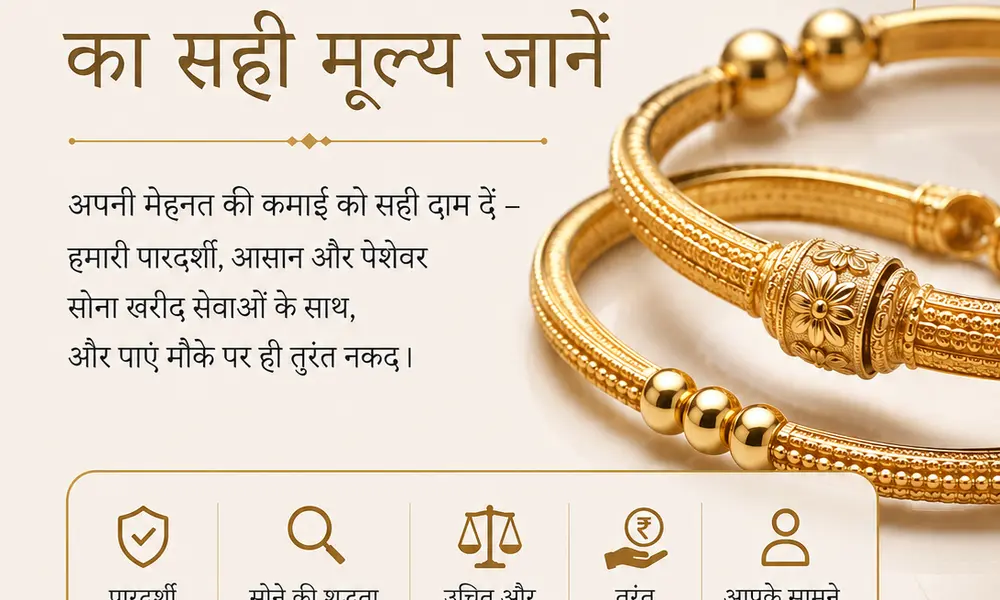
Almost every household has some gold sitting quietly in a locker or drawer — an old bangle that's out of fashion, a broken chain, a ring that no longer fits, or jewellery inherited from a relative that doesn't quite suit anyone's taste. For many people, this gold represents value that's simply sitting idle. When there's a wedding to fund, an emergency to cover, a business opportunity to seize, or debt to clear, that idle gold can quickly become one of the fastest, most reliable sources of cash available.
But selling gold isn't as simple as walking into a shop and handing it over. Getting fair value depends on understanding how gold is tested, weighed, and priced — and knowing what a trustworthy buyer should offer you in return. This guide walks through the entire process, so you can walk in prepared and walk out with confidence that you received a fair deal.
Why People Sell Gold
Gold selling isn't a decision people take lightly, and the reasons behind it are usually practical rather than casual.
Emergency cash needs. Medical expenses, urgent bills, or unexpected financial setbacks often push people toward selling gold, since it can be converted to cash faster than almost any other asset.
Funding a bigger goal. Weddings, education expenses, home renovations, or starting a small business are common reasons people liquidate old or unused gold to raise capital quickly.
Unused or unworn jewellery. Styles change, pieces break, or jewellery no longer fits. Rather than letting it sit unused indefinitely, many people choose to convert it into usable funds.
Debt consolidation. Selling gold to pay off high-interest debt is often more financially sound than continuing to carry that debt, especially when the gold itself isn't being worn or used.
Rebalancing savings. Some households simply hold more gold than they need as a financial cushion, and choose to convert a portion of it to cash for more immediate use.
Whatever your reason, the goal is the same: getting accurate, fair value for what you're selling. That starts with understanding how the process actually works.
How Gold Valuation Works
When you bring gold in to sell, a reputable buyer will walk you through a transparent, multi-step valuation process. Understanding each step helps you know what to expect — and gives you the confidence to ask questions along the way.
Step 1: Purity Testing
The first and most important step is determining how pure your gold actually is. Gold jewellery is rarely 100% pure; it's alloyed with other metals for strength, so the actual gold content needs to be measured accurately.
Common purity testing methods include:
- Acid testing, where a small scratch of the metal is tested against acids of varying strengths to estimate purity
- Electronic gold testers, which use conductivity to give a fast, non-destructive purity reading
- XRF (X-ray fluorescence) machines, which offer highly accurate, non-invasive purity analysis and are increasingly used by established buyers
A trustworthy buyer will test purity in front of you, explain the result, and answer any questions about the method used. If a buyer refuses to explain how they arrived at a purity figure, that's worth questioning.
Step 2: Weighing
Once purity is confirmed, your gold is weighed on a calibrated digital scale, typically measured in grams. Any stones, beads, or non-gold attachments (like enamel work or gemstone settings) are usually weighed separately and deducted, since they don't count toward the gold value.
Ask to see the weighing process directly, and don't hesitate to request that stones or attachments be removed and weighed separately if your piece includes them.
Step 3: Applying the Day's Gold Rate
Gold prices move daily based on global market conditions, so your payout is calculated using the current market rate for the purity level tested. For example, gold tested at 22K purity will be valued differently per gram than gold tested at 18K, even if the total weight is identical.
A transparent buyer will show you the day's rate clearly, ideally displayed in-store or readily available, so you can verify the calculation yourself.
Step 4: Final Valuation and Offer
Combining purity, weight, and the day's rate gives your gold's base value. From there, a fair buyer presents a clear offer, breaking down exactly how the number was reached, so there's no ambiguity about what you're being paid for.
What Determines the Price You Get
Several factors influence your final payout, and understanding them helps set realistic expectations before you sell.
Purity level. Higher purity gold (like 22K or 24K) naturally commands a higher price per gram than lower purity gold (like 18K or 14K).
Weight. This one is straightforward — more grams of gold means a higher payout, assuming purity stays constant.
Current market rate. Since gold prices fluctuate daily, the same piece could fetch a slightly different amount depending on when you choose to sell.
Condition of stones or attachments. Gemstones, enamel work, or non-gold materials don't contribute to gold value and are deducted from the total weight, which affects your final number.
Hallmark status. Hallmarked gold, with a verifiable HUID (Hallmark Unique Identification) number, is often easier to value quickly and confidently, since its purity has already been certified by BIS (Bureau of Indian Standards).
It's worth noting that making charges — the cost of craftsmanship you may have originally paid when buying the piece — do not carry over when you sell. Buyers pay for the gold content itself, not the labor or design that went into the original piece. This is a common point of confusion, so it helps to go in with realistic expectations about what your payout will reflect.
Why Hallmarking Matters When You Sell
If your gold carries a BIS hallmark, the selling process becomes noticeably smoother. The hallmark — including the purity grade (like 916 for 22K) and the unique HUID number — provides independently verifiable proof of purity, which means less time spent on testing and greater confidence in the valuation.
If your jewellery isn't hallmarked, it can still be sold, but it will need to go through purity testing on-site, which is why choosing a buyer with reliable, transparent testing equipment matters even more.
Where possible, bring along your original purchase invoice. It's not mandatory, but it can help speed up the process and gives the buyer useful reference information about the piece.
How to Make Sure You're Getting a Fair Deal
Selling gold is a transaction built on trust, so it's reasonable to be a careful, informed seller. Here's what to look for:
- Transparency in testing. The purity test should happen in front of you, with the method and result clearly explained.
- Visible daily rates. A trustworthy buyer displays or readily shares the current day's gold rate, so you can verify your payout independently.
- Itemized valuation. You should receive a clear breakdown showing purity, weight, rate, and final amount — not just a lump-sum number.
- Licensed and established operations. Look for buyers with a verifiable business history, proper documentation, and clear policies.
- No pressure tactics. A fair buyer gives you time to consider the offer and doesn't rush you into a decision.
- Proper documentation of the transaction. You should receive a receipt or transaction record detailing what was sold, the weight, purity, and amount paid.
If something feels unclear or rushed, it's always reasonable to ask more questions or take your gold elsewhere for a second opinion before committing.
What to Bring When You Sell
To make the process as smooth as possible, it helps to bring:
- The gold item(s) you intend to sell
- A valid government-issued photo ID (often required for transaction records)
- The original purchase invoice or hallmark certificate, if available
- Any related documentation, especially for higher-value transactions
Having these on hand speeds up verification and helps ensure the transaction is properly recorded for your own records.
A Quick Checklist Before You Sell
- Confirm the buyer tests purity transparently, in front of you
- Ask what testing method is being used (acid, electronic, or XRF)
- Verify the day's gold rate before the valuation begins
- Request an itemized breakdown of weight, purity, rate, and final amount
- Bring ID and any original documentation you have
- Take your time — a fair buyer won't rush your decision
- Keep the transaction receipt for your records
Selling Gold with Confidence
Selling gold doesn't have to feel uncertain. When you understand how purity testing, weighing, and valuation work, you're in a much stronger position to evaluate any offer you receive — and to recognize when a buyer is being transparent with you.
At Anjaneya Gold Point, every transaction includes purity testing conducted in front of you, valuation based on the current day's market rate, and a clear, itemized breakdown of your payout before any cash changes hands. Whether it's a single old ring or a collection of jewellery you no longer wear, our team is here to make sure you walk away with fair value and complete clarity about how we arrived at it.